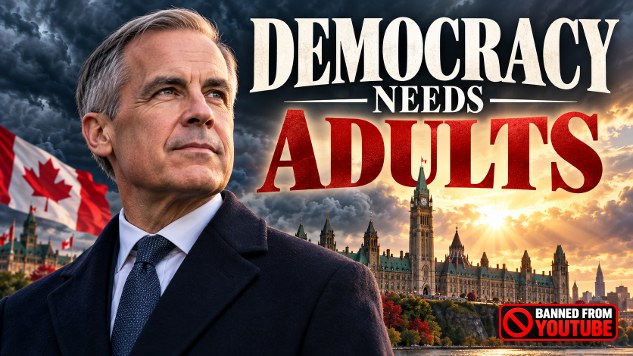
Mark Carney and the Kind of Leader Democracy Needs Right Now
Something unusual happened in Canadian politics recently. A central banker with no electoral history walked into one of democracy's rougher seasons and refused to pretend the...
Something unusual happened in Canadian politics recently. A central banker with no electoral history walked into one of democracy's rougher seasons and refused to pretend the...
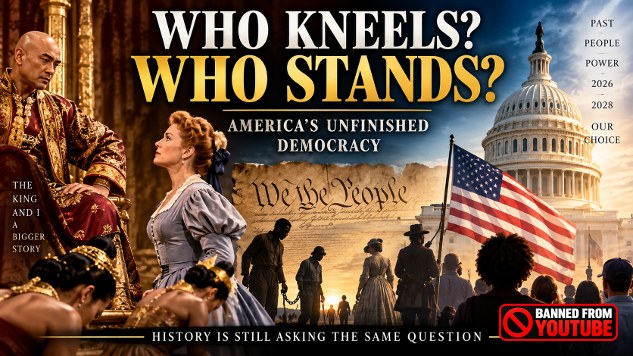
A familiar movie became a mirror. Watching The King and I again, something shifted, not in the film, but in the questions it started asking about power, kneeling, and who gets to...
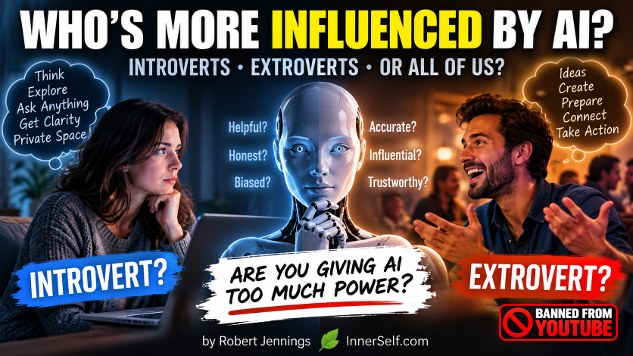
Can artificial intelligence figure out what kind of person you are simply from the way you talk to it? That question opens a far more unsettling one: can the patterns in your AI...
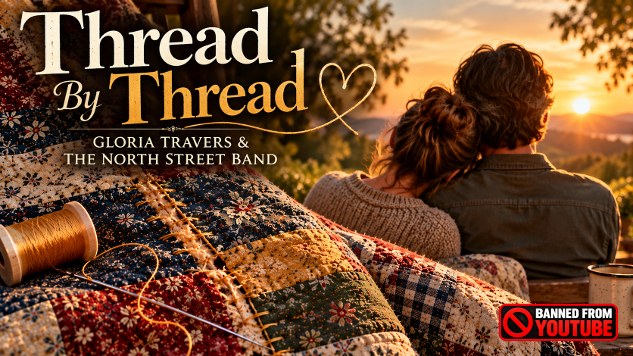
When love begins to unravel, do you walk away or pick up the thread? “Thread By Thread” is about two people discovering that sometimes love survives not through grand...
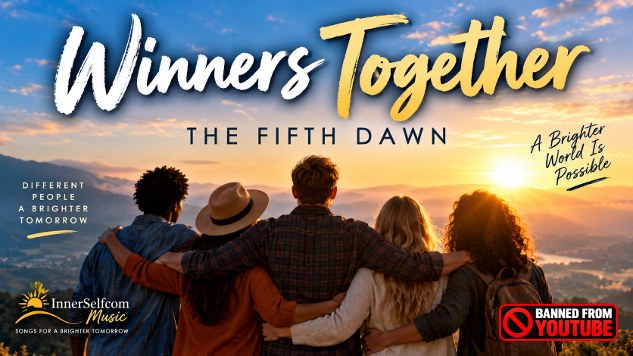
What if winning didn’t require someone else to lose? “Winners Together” imagines a world where success is shared, justice matters, and there is room for everyone to rise.
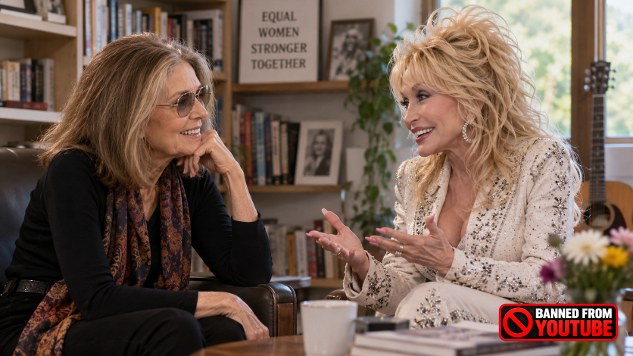
One burned her bra (metaphorically) and the other bedazzled hers. One marched on Washington and the other sang about a coat of many colors. And yet Gloria Steinem and Dolly...
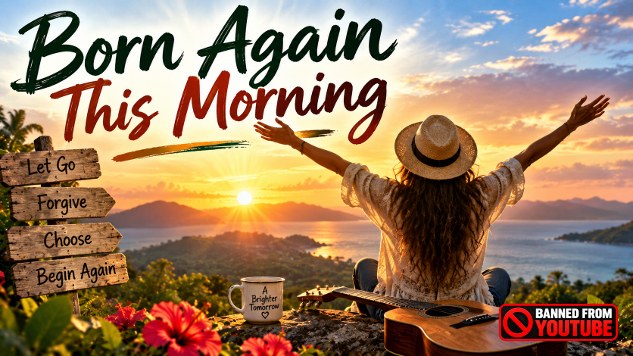
Every morning is another chance to choose what stays with us and what we finally leave behind. “Born Again This Morning” is about discovering that a new beginning can be as...
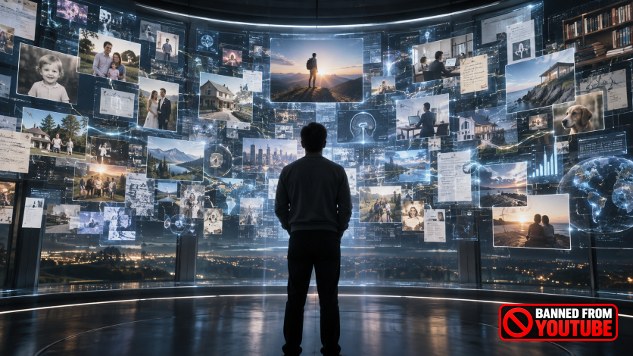
Most of us have used AI as a smarter search engine, a faster typist, or a tireless explainer of things we half-understood. But something shifts when the AI stops being a stranger...
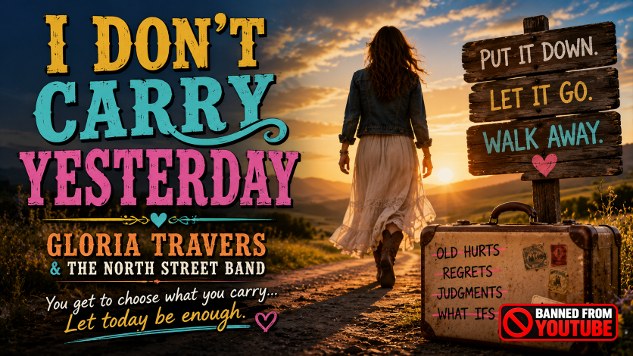
How much of yesterday are you still carrying today?
Most of us have used AI as a smarter search engine, a faster typist, or a tireless explainer of things we half-understood. But something shifts when the AI stops being a stranger...
Read more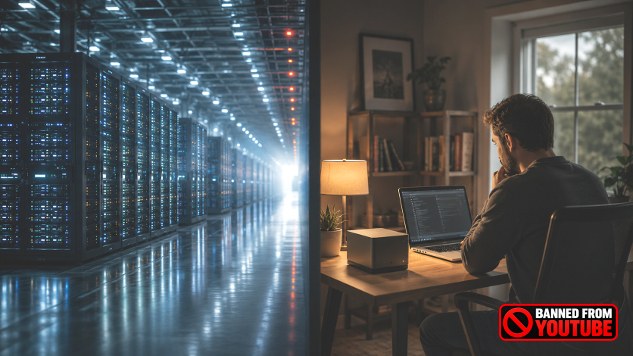
Somewhere in the back of my mind, a forgotten YouTube stranger planted a seed: AI didn't have to keep getting bigger. It took months of tinkering with small models on my own...
Read more
A familiar movie became a mirror. Watching The King and I again, something shifted, not in the film, but in the questions it started asking about power, kneeling, and who gets to...
Read more
Every morning is another chance to choose what stays with us and what we finally leave behind. “Born Again This Morning” is about discovering that a new beginning can be as...
Read more
Can artificial intelligence figure out what kind of person you are simply from the way you talk to it? That question opens a far more unsettling one: can the patterns in your AI...
Read moreSomething unusual happened in Canadian politics recently. A central banker with no electoral history walked into one of democracy's rougher seasons and refused to pretend the weather was fine. Mark Carney did not promise to make anyone afraid of the right enemies. He just told people the truth, and enough of them found that refreshing to make him prime minister.
A familiar movie became a mirror. Watching The King and I again, something shifted, not in the film, but in the questions it started asking about power, kneeling, and who gets to stand. The story unfolding in America in 2026 may be older than the republic itself, and understanding it requires going back much further than the last election.
Can artificial intelligence figure out what kind of person you are simply from the way you talk to it? That question opens a far more unsettling one: can the patterns in your AI conversations reveal how easily AI can shape what you believe? The answer may change how you use the most powerful information tool most of us have ever touched.
One burned her bra (metaphorically) and the other bedazzled hers. One marched on Washington and the other sang about a coat of many colors. And yet Gloria Steinem and Dolly Parton, two women who couldn't look more different on the surface, spent their lives doing exactly the same thing , telling women they were worth more than the world said they were.
Most of us have used AI as a smarter search engine, a faster typist, or a tireless explainer of things we half-understood. But something shifts when the AI stops being a stranger you have to brief every single time and starts being a system that actually knows your history, your projects, and how you think. That shift changes everything about what the technology can do for you.
Somewhere in the back of my mind, a forgotten YouTube stranger planted a seed: AI didn't have to keep getting bigger. It took months of tinkering with small models on my own hardware before I understood what he was really pointing at. The most important AI in your life may not be the smartest one ever built, it may be the one that actually knows you.
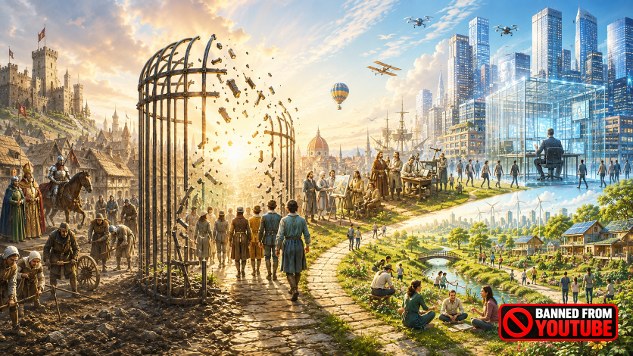
Something feels broken, and it isn't just your news feed. Across wealthy democracies, people are sensing that extraordinary technological power and individual freedom aren't adding up to lives that feel whole, fair, or sustainable. What if the separate crises of inequality, democratic erosion, and environmental collapse all trace back to the same stubborn historical habit?
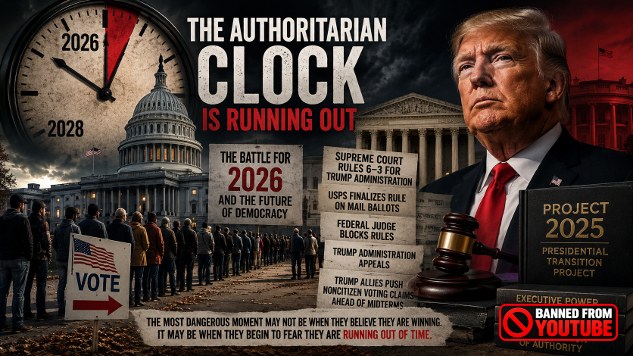
The most dangerous moment for American democracy may not come when those attempting to dismantle it believe they are winning. It may come when they begin to fear they are running out of time. When powerful people sense a window closing, they tend to move faster, not slower, and that acceleration tells us something important about where we are right now.
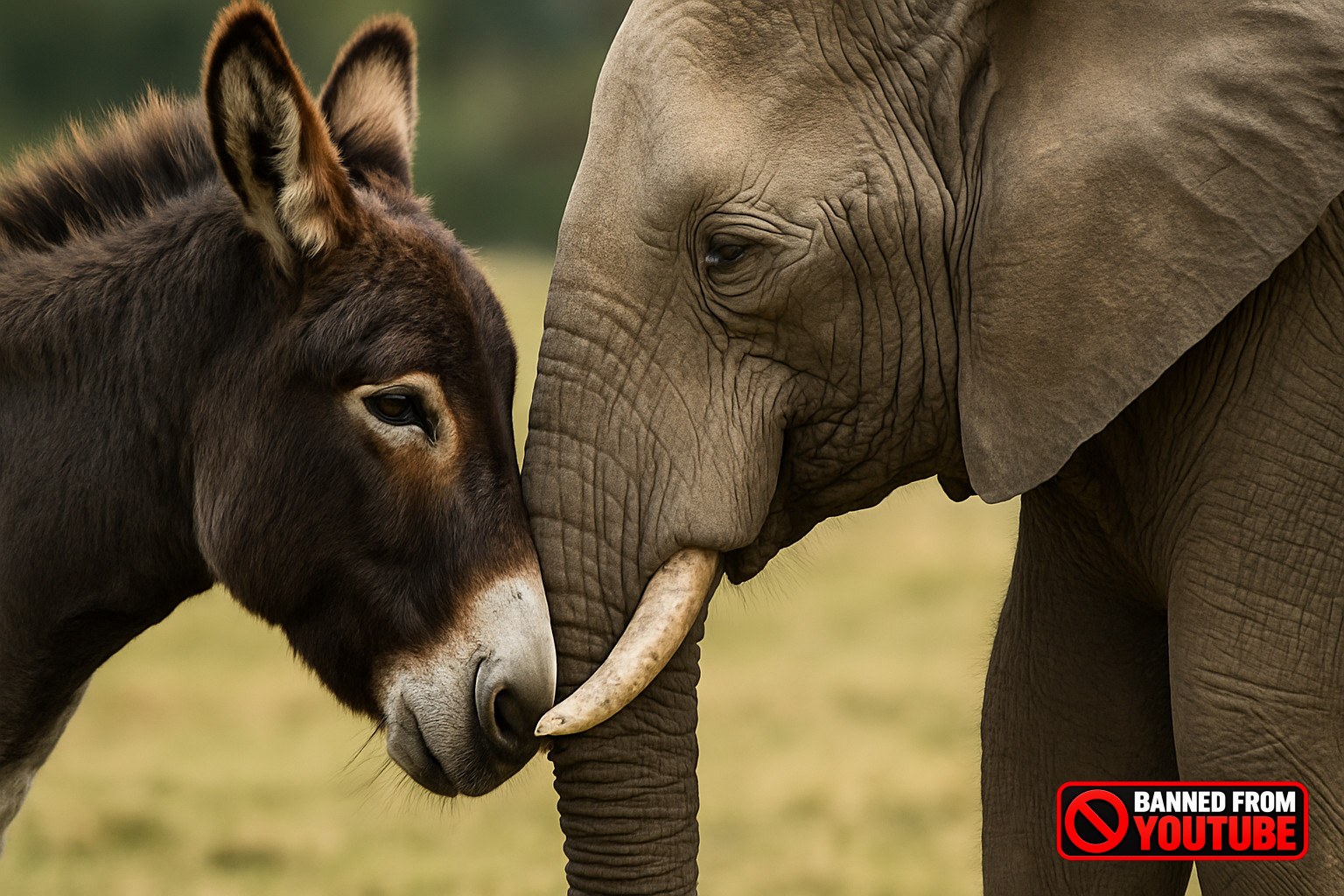
Liberals and conservatives are not arguing from different moral planets — they are arguing from different maps of the same territory. The territory is harm. The argument is about who gets hurt. Twelve studies now back that up, and the answer is stranger and more useful than anything the culture-war industry wants you to believe.
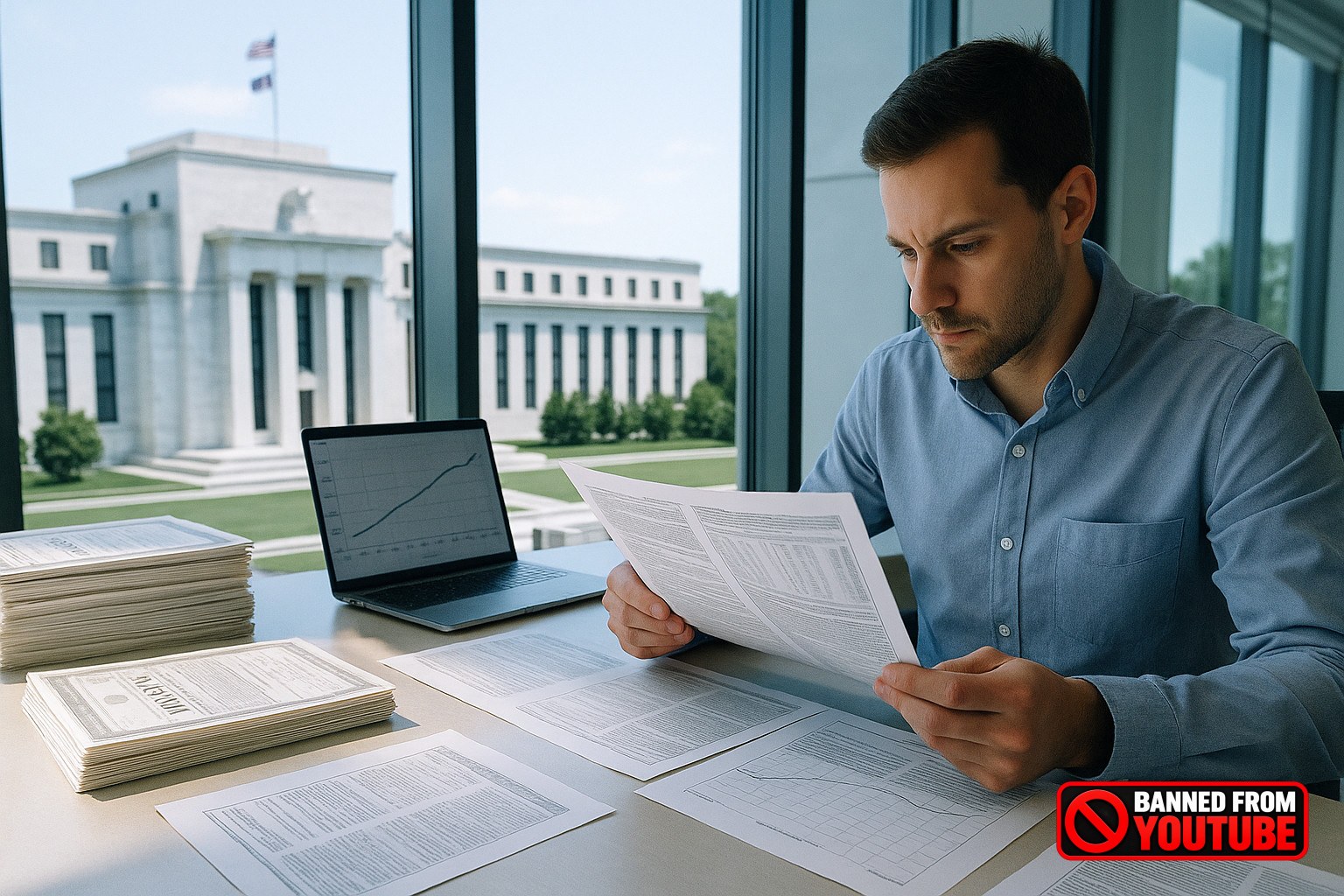
On August 19, the U.S. Treasury quietly announced it would at least double the size of certain debt buyback operations, and bond markets moved immediately. Most Americans scrolled past the headline. That was a shame, because hidden inside that dry announcement was a window into how federal money actually works — and why almost everything you have been told about the national debt is at best incomplete and at worst a political weapon aimed directly at you.
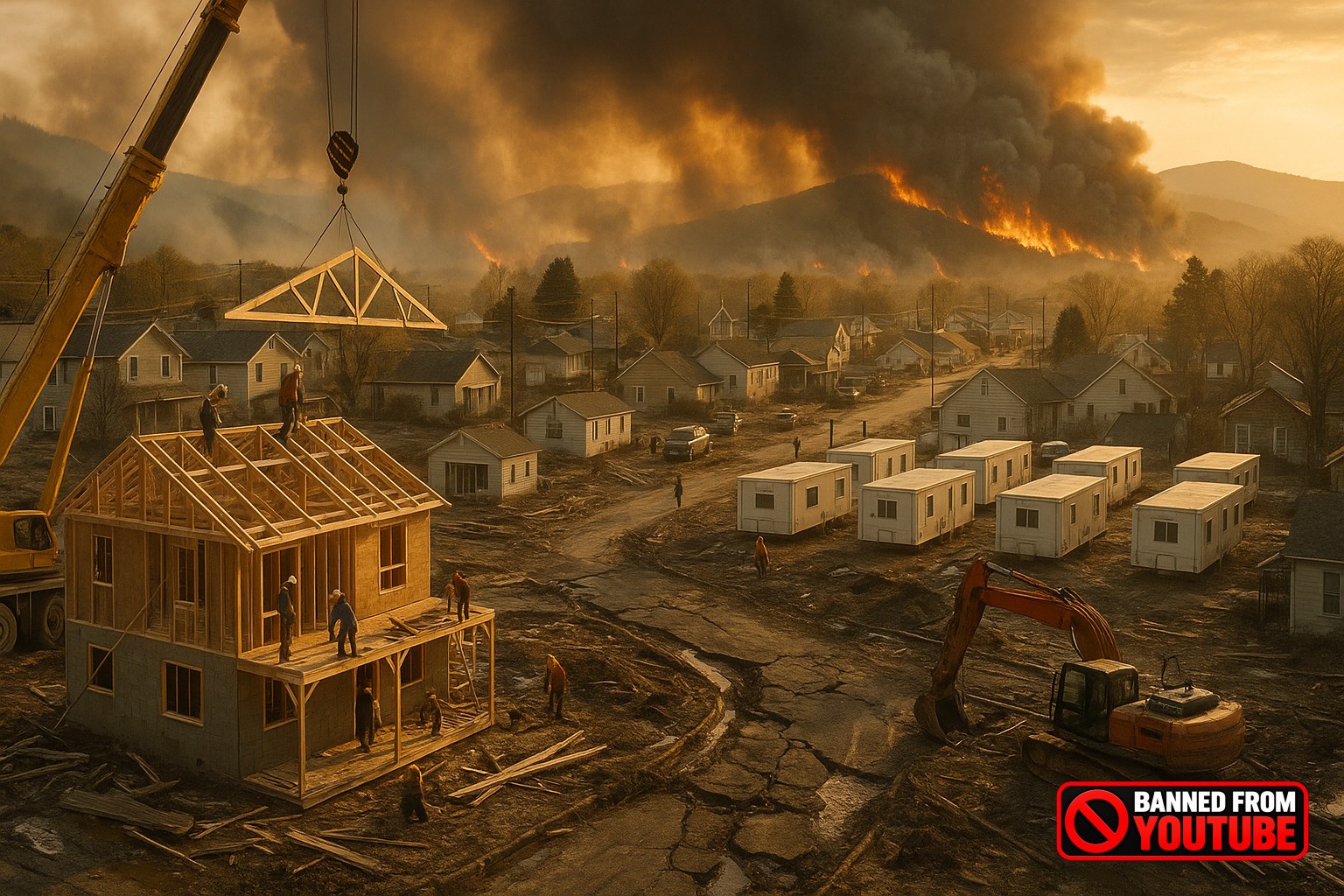
Somewhere in California, a farmer is staring at cracked earth one season and a flooded field the next, and the bank is not particularly interested in hearing about either. Climate whiplash — the rapid swing between opposite weather extremes — is quietly dismantling the economic architecture that modern life depends on. This is not a future problem. It is already on the invoice.

Every few decades, a generation of young people looks at the world their parents built and decides it needs a serious overhaul. The hippies did it with flowers and folk songs in the 1960s. Gen Z is doing it with smartphones and hashtags right now. The tools are different, the urgency is the same, and the establishment is just as uncomfortable about it.

Pull up a photograph of Disneyland on opening day in 1955 and set it beside one taken last summer. The difference in the crowd's body sizes is not subtle, and it has nothing to do with willpower, laziness, or personal failure. Something happened between then and now, and it wasn't human nature that changed.

Somewhere tonight, an elderly person is lying in a nursing home bed waiting for help that is not coming. Not because the staff is lazy. Not because the facility forgot. But because there is no one left to come. That is the reality unfolding across America right now, and the policies driving it are only accelerating.
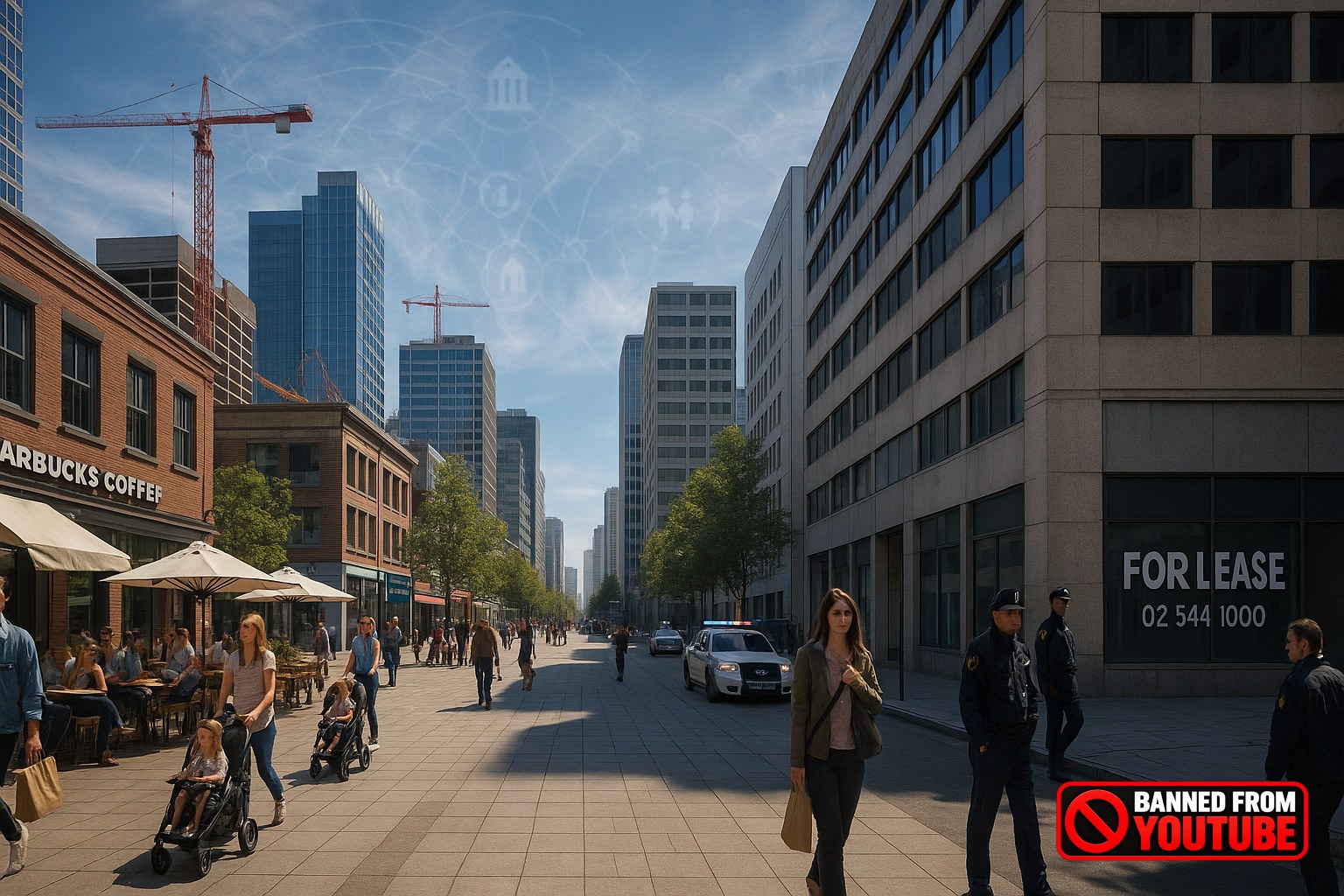
Imagine a business owner who buys cheap equipment to save money this quarter. Six months later production slows, customers leave, and the employees follow them out the door. We would call him a poor manager, yet governments make this exact kind of decision every single day and call it leadership.

For centuries, literacy meant learning to read. Then it meant learning to write. Today it demands a third skill that no classroom has ever made mandatory: learning to think. Not because people have grown less intelligent, but because information has become so cheap that judgment has become priceless.
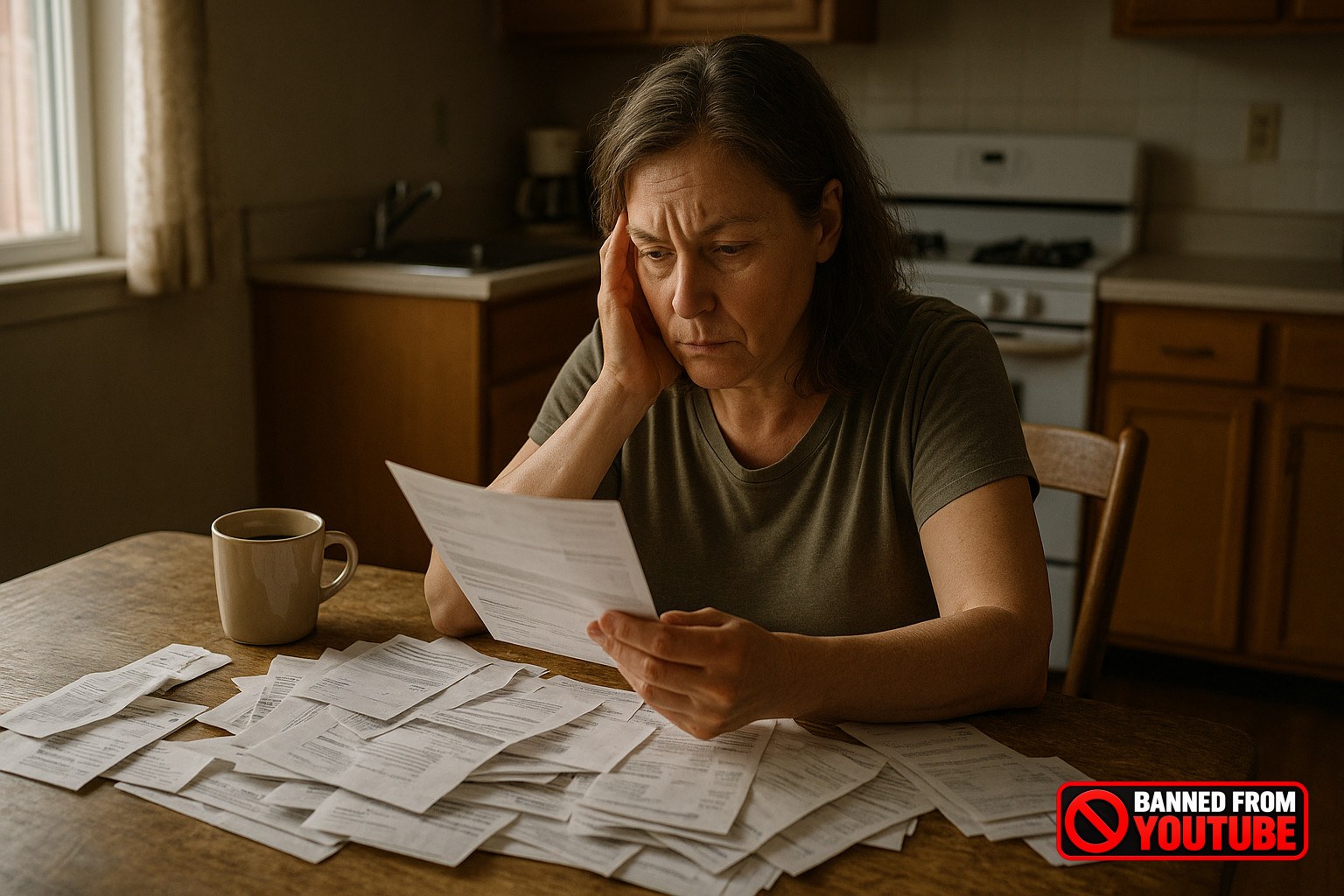
Something strange happens to companies after they win. They stop trying to earn your loyalty and start finding ways to make your loyalty irrelevant. The pattern is everywhere once you see it, and once you see it, you cannot unsee it.

Most people don't think about balance until the day they grab a wall to keep from going down. That grab is your nervous system waving a flag. The good news is your brain is far more trainable than anyone told you, and it's not too late to start the conversation.

Across the 2026 Democratic primaries, something the party establishment did not plan for is happening in plain sight. A 29-year-old attorney knocks off a 30-year incumbent in Colorado. A democratic socialist wins New York City's mayoralty. Progressive insurgents topple entrenched moderates from Maine to California. This isn't a wave. It's a reckoning, decades in the making, and it is finally breaking the surface.

Europe is baking under another record-breaking heat wave, and this one arrived right on the heels of temperatures in May that had no business existing. Meanwhile, Asia spent last year drowning and sweltering in equal measure. If this feels like a pattern, that is because it is one, and someone left the stove on.
Page 1 of 18
Every morning is another chance to choose what stays with us and what we finally leave behind. “Born Again This Morning” is about discovering that a new beginning can be as...
Read more
How much of yesterday are you still carrying today?
Read more
What if winning didn’t require someone else to lose? “Winners Together” imagines a world where success is shared, justice matters, and there is room for everyone to rise.
Read more
When love begins to unravel, do you walk away or pick up the thread? “Thread By Thread” is about two people discovering that sometimes love survives not through grand...
Read more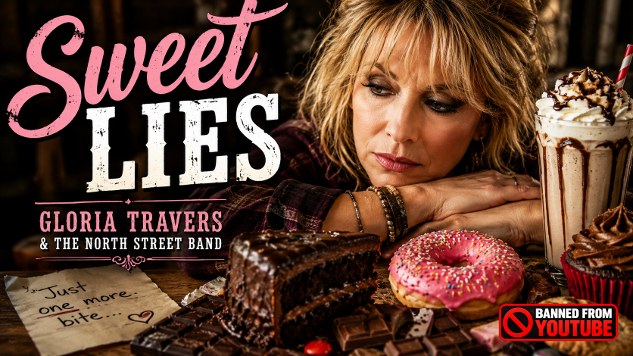
Some temptations don't announce themselves as trouble. They arrive softly, offering comfort, pleasure and the promise that just a little more won't hurt.
Read more