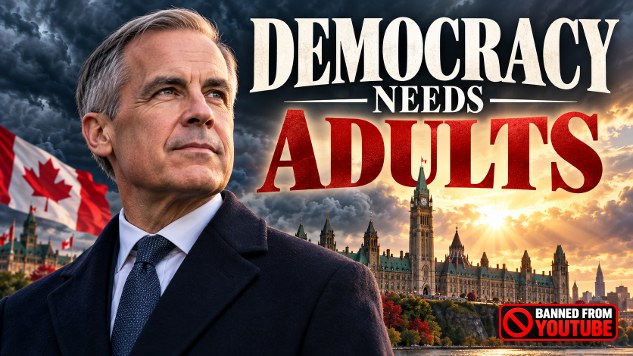
Mark Carney and the Kind of Leader Democracy Needs Right Now
Something unusual happened in Canadian politics recently. A central banker with no electoral history walked into one of democracy's rougher seasons and refused to pretend the...
Something unusual happened in Canadian politics recently. A central banker with no electoral history walked into one of democracy's rougher seasons and refused to pretend the...
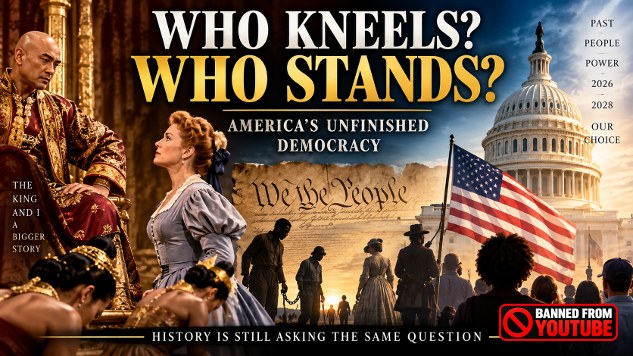
A familiar movie became a mirror. Watching The King and I again, something shifted, not in the film, but in the questions it started asking about power, kneeling, and who gets to...
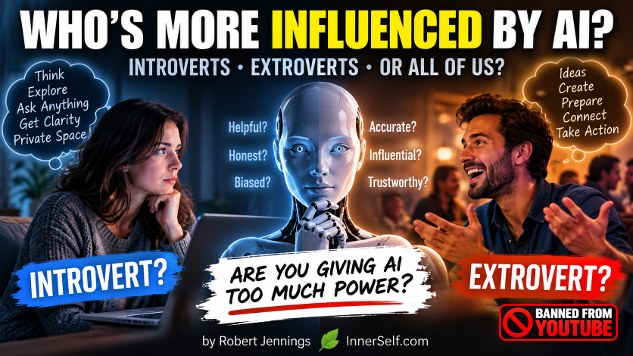
Can artificial intelligence figure out what kind of person you are simply from the way you talk to it? That question opens a far more unsettling one: can the patterns in your AI...
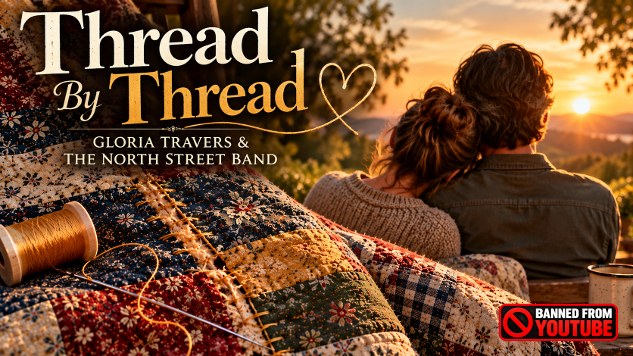
When love begins to unravel, do you walk away or pick up the thread? “Thread By Thread” is about two people discovering that sometimes love survives not through grand...
What if winning didn’t require someone else to lose? “Winners Together” imagines a world where success is shared, justice matters, and there is room for everyone to rise.
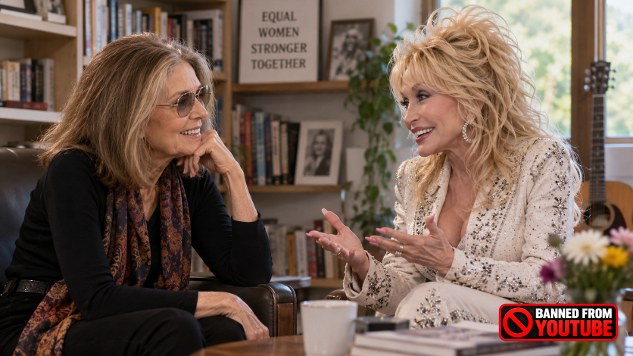
One burned her bra (metaphorically) and the other bedazzled hers. One marched on Washington and the other sang about a coat of many colors. And yet Gloria Steinem and Dolly...
Every morning is another chance to choose what stays with us and what we finally leave behind. “Born Again This Morning” is about discovering that a new beginning can be as...
Most of us have used AI as a smarter search engine, a faster typist, or a tireless explainer of things we half-understood. But something shifts when the AI stops being a stranger...

How much of yesterday are you still carrying today?
A familiar movie became a mirror. Watching The King and I again, something shifted, not in the film, but in the questions it started asking about power, kneeling, and who gets to...
Read more
Something unusual happened in Canadian politics recently. A central banker with no electoral history walked into one of democracy's rougher seasons and refused to pretend the...
Read more
The American welfare system was designed to support those in need, but it now faces significant challenges. Learn about its origins, current issues, and potential reforms,...
Read more
When love begins to unravel, do you walk away or pick up the thread? “Thread By Thread” is about two people discovering that sometimes love survives not through grand...
Read more
Somewhere in the back of my mind, a forgotten YouTube stranger planted a seed: AI didn't have to keep getting bigger. It took months of tinkering with small models on my own...
Read more
We say we want resilient kids, then we train them to run on fumes. Gold stars, perfect attendance, hustle before homework, and sleep as an afterthought. If childhood becomes an audition for nonstop output, adulthood becomes a factory shift with no whistle. Real strength includes knowing when to pause, recharge, and value yourself beyond the scoreboard. When you model rest, you are teaching body awareness and the habit of stepping back before the cliff.

Everyone keeps saying AI will make us wildly productive. That might be true. But here is the part they whisper: productivity can rise without paychecks rising and without hiring surging. We could get faster workflows, cheaper services, and bigger profits while regular people juggle side gigs to keep up. This article lays out how that happens, why it is familiar, and what we can insist on changing.

Your mind doesn’t float above the map. It lives on a street with cracks in the sidewalk or fresh paint on the crosswalk. It rides a bus that comes on time or doesn’t come at all. New evidence says neighborhood deprivation doesn’t just bruise pride; it raises the odds of a psychotic disorder. If we want fewer broken lives, we fix the block. Capacity first, then everything else.

Your brain isn’t a mystery box. It’s a hungry neighbor tied to your liver by a short fence and a long memory. A new clinical study shows that trimming liver fat in just two weeks can also dial down brain chemicals linked to toxicity and inflammation. That’s not a diet ad. That’s a reminder: capacity rules. The body runs on parts, power, pathways—and plain food.

Vaccine hesitancy is spreading faster than the diseases vaccines prevent, fueled by misinformation and mistrust. Yet history shows vaccines are among humanity’s greatest life-saving innovations. And with the rise of mRNA vaccines, the future of disease prevention looks even brighter. Here’s how we can protect our families, counter fear with science, and embrace a new era of public health.

We have been sold the idea that wellbeing is a program you complete, a checklist you follow, and a mood you are supposed to produce on schedule. But real wellbeing rarely arrives on command. It grows when we stop chasing happiness like a product and start living in quiet alignment with what actually sustains us. The goal is not constant positivity. The goal is a life that can hold both joy and struggle without breaking.

In a world of endless noise, rising prices, political chaos, and ecological unraveling, anxiety has become the national soundtrack. But what if anxiety isn’t a disorder, it’s a message? What if feeling uneasy is the only sane response to a system built on instability? This article digs beneath the symptoms to uncover what we’re really afraid of, and how reconnection can set us free.

We love certainty. Give us a clear answer, a simple explanation, a five-step plan, and we feel safe. But life doesn't work that way. The truth is, nothing is as simple, or as complex, as it seems. We spend our days swinging between two extremes: reducing everything to bumper-sticker wisdom or drowning in overthinking that leads nowhere.

The 2025 government shutdown isn’t a budgeting exercise. It is a mirror held up to a political habit that never seems to die. EMTALA—the Reagan-era law requiring hospitals to treat anyone in an emergency—was once sold as a moral floor. Today, the same party that wrote it waves it like a warning flag and blames Democrats for the bill. That’s not governance. That’s a shell game with the lights off and your wallet on the table.

Climate models once seemed abstract, but today their predictions have become reality. From rising temperatures to shifting weather, climate researchers got it right. The accuracy of these forecasts isn’t just about science, it’s a roadmap for humanity. By understanding what climate models reveal, we can shift from fear toward cooperation, renewal, and action for a future where collective choices matter more than denial.

False beliefs often trap us more than ignorance itself. Human certainty convinces us that we are right even when we are not, shaping choices that ripple through society and personal life. This article explores why facts alone rarely change minds, how certainty fuels division, and how awareness can guide us toward renewal, cooperation, and a more grounded sense of truth.

Now, I’m no fancy economist, but when the road eats my axle, I start doubting all this “fiscal responsibility” talk. Deficits aren’t dangerous when spent wisely. Government spending on housing, healthcare, education, and energy lowers daily costs and grows individual wealth. Bad roads, high rents, and medical bills bleed families dry. But smart investment flips the script, building capacity, cutting bills, and leaving people richer, not poorer. It’s not about spending less, but spending better. That’s the real wealth strategy.

The legend of King Arthur and the Camelot vision has echoed through centuries, offering us more than knights and battles. Within the myth lies a timeless story of justice, loyalty, and renewal. From the Round Table’s promise of equality to Camelot’s fall from grace, the lessons remain urgent. In rediscovering King Arthur, we glimpse our own search for leadership, integrity, and the possibility of a better tomorrow.

Renaming the Department of Defense to the Department of War isn’t just a cosmetic change. It’s a symbolic act that signals America’s drift toward authoritarianism and away from peace. Words matter, and this shift carries historical echoes that could undermine American democracy and global stability. Understanding why this matters is crucial to resisting the normalization of permanent war.

All things tend toward excess. All things must recalibrate. Excess and recalibration are the universal rhythm of existence. From atoms to empires, from stars to souls, the pattern is the same: excess, collapse, renewal. We are not living through a moment of random chaos. We are living through a global polycrisis, where every excess of the past century is now demanding recalibration. Welcome to the world disorder of 2025.

Trump and Netanyahu’s proposed Gaza plan promises luxury resorts, AI cities, and massive investor profits, built on the ruins of Palestinian homes. Marketed as “voluntary relocation,” it strips Gaza’s people of their land and future while selling it as a visionary project. Beneath the glossy promises, critics see something darker: a genocide for profit. This raises urgent questions about power, ethics, and the future of Gaza.

Public health in America stands at a breaking point. With the CDC crisis deepening and vaccine systems under attack, experts warn the U.S. is unprepared for the next pandemic. From political interference to underfunded infrastructure, the lessons of COVID are being ignored while history repeats itself. This article explores what’s at stake for our safety, trust, and future.

Neo-feudalism is no longer a theory; it’s the reality unfolding before our eyes. As wealth concentrates at the top, millions sink into debt, precarity, and economic collapse. From Reagan’s tax cuts to Trump’s tariffs and Biden’s inflation squeeze, the system has been rigged to protect elites while pushing the rest of us toward modern serfdom. The question is, will we accept it, or rise to demand a new economy?

As winter COVID surges escalate, mRNA cuts in vaccine research and funding shortfalls may hinder vital protection, raising concerns not only about infection but also the risk of cancer relapse, given new evidence that respiratory infections can awaken dormant tumor cells. This winter may bring unexpected health threats; here's what you need to know, and how renewed collaboration and shared trust in science can change the story.
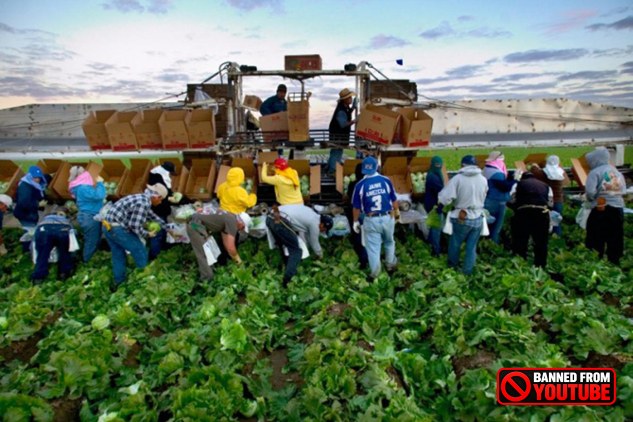
As AI displaces middle-class workers, a deeper question emerges: will native-born and educated workers accept the immigration jobs they once rejected? From coding to farm fields, society may face a reckoning over labor, dignity, and career expectations. The intersection of immigration and AI displacement could reshape the workforce in ways few are prepared to face.
Page 5 of 18
When love begins to unravel, do you walk away or pick up the thread? “Thread By Thread” is about two people discovering that sometimes love survives not through grand...
Read more
What if winning didn’t require someone else to lose? “Winners Together” imagines a world where success is shared, justice matters, and there is room for everyone to rise.
Read more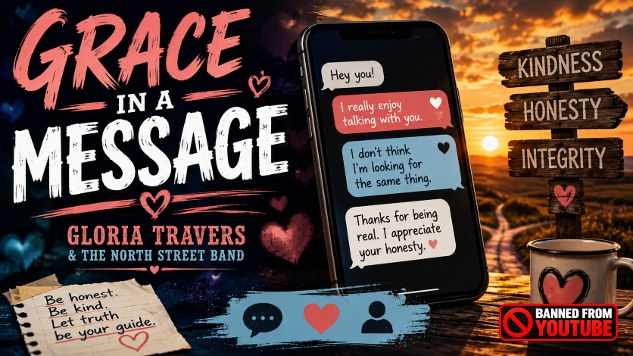
In a world of swipes, matches, texts and disappearing conversations, sometimes the most radical thing we can offer another person is simple kindness.
Read more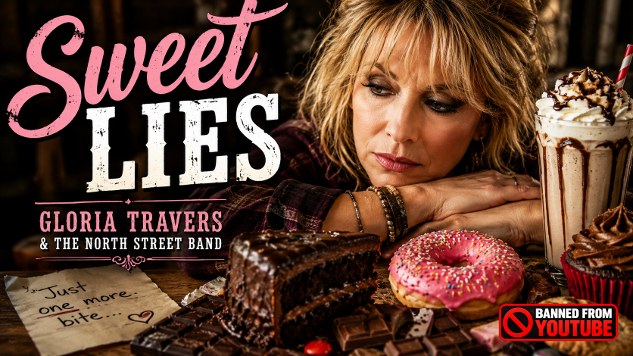
Some temptations don't announce themselves as trouble. They arrive softly, offering comfort, pleasure and the promise that just a little more won't hurt.
Read more
How much of yesterday are you still carrying today?
Read more