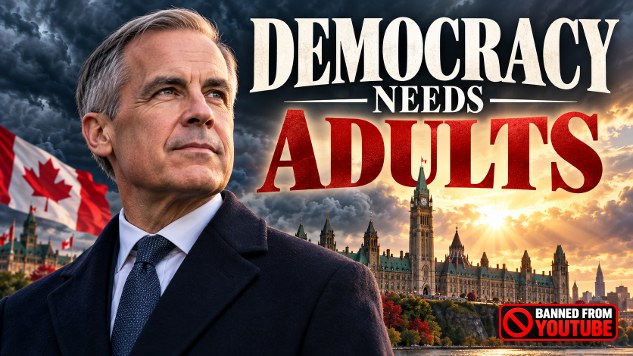
Mark Carney and the Kind of Leader Democracy Needs Right Now
Something unusual happened in Canadian politics recently. A central banker with no electoral history walked into one of democracy's rougher seasons and refused to pretend the...
Something unusual happened in Canadian politics recently. A central banker with no electoral history walked into one of democracy's rougher seasons and refused to pretend the...

A familiar movie became a mirror. Watching The King and I again, something shifted, not in the film, but in the questions it started asking about power, kneeling, and who gets to...
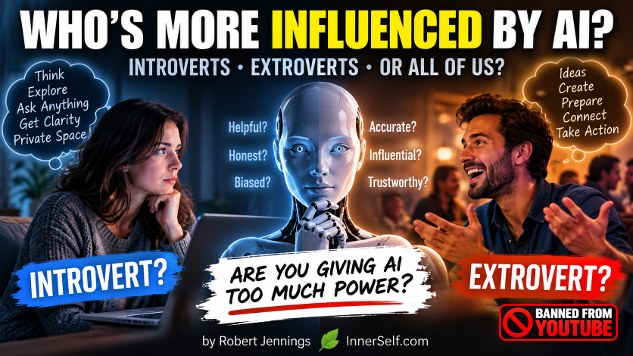
Can artificial intelligence figure out what kind of person you are simply from the way you talk to it? That question opens a far more unsettling one: can the patterns in your AI...
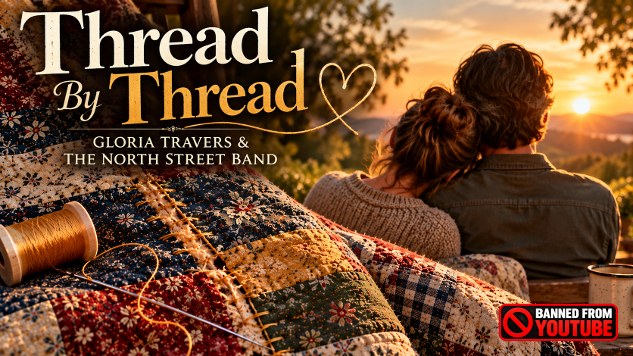
When love begins to unravel, do you walk away or pick up the thread? “Thread By Thread” is about two people discovering that sometimes love survives not through grand...

What if winning didn’t require someone else to lose? “Winners Together” imagines a world where success is shared, justice matters, and there is room for everyone to rise.
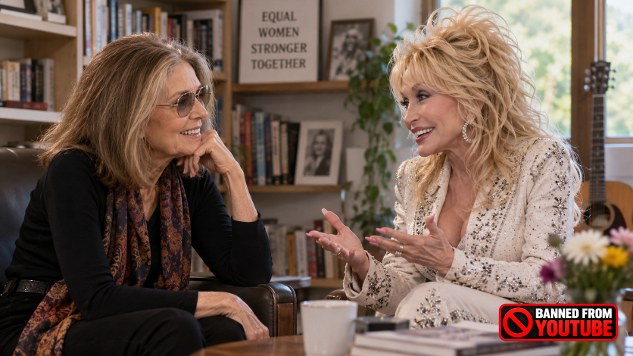
One burned her bra (metaphorically) and the other bedazzled hers. One marched on Washington and the other sang about a coat of many colors. And yet Gloria Steinem and Dolly...
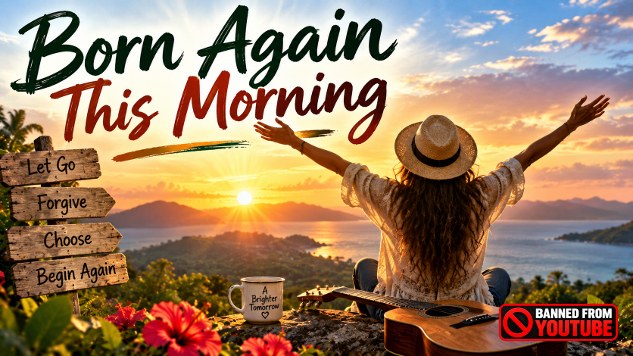
Every morning is another chance to choose what stays with us and what we finally leave behind. “Born Again This Morning” is about discovering that a new beginning can be as...
Most of us have used AI as a smarter search engine, a faster typist, or a tireless explainer of things we half-understood. But something shifts when the AI stops being a stranger...
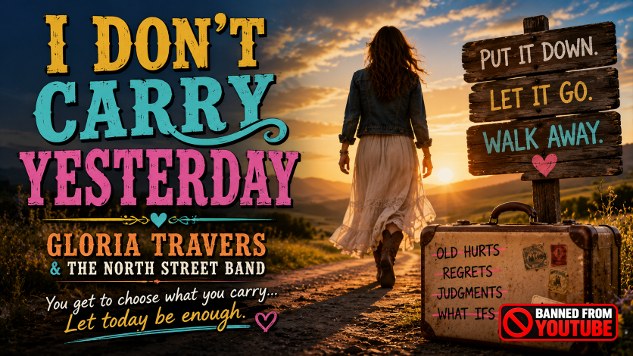
How much of yesterday are you still carrying today?
A familiar movie became a mirror. Watching The King and I again, something shifted, not in the film, but in the questions it started asking about power, kneeling, and who gets to...
Read more
Something unusual happened in Canadian politics recently. A central banker with no electoral history walked into one of democracy's rougher seasons and refused to pretend the...
Read more
The American welfare system was designed to support those in need, but it now faces significant challenges. Learn about its origins, current issues, and potential reforms,...
Read more
When love begins to unravel, do you walk away or pick up the thread? “Thread By Thread” is about two people discovering that sometimes love survives not through grand...
Read more
Somewhere in the back of my mind, a forgotten YouTube stranger planted a seed: AI didn't have to keep getting bigger. It took months of tinkering with small models on my own...
Read more
Gerrymandering and voter suppression aren’t clever political strategies; they’re the termites eating away at America’s wooden beams. The house still looks pretty from the outside, but inside the joists are hollow. From Elbridge Gerry’s salamander-shaped district in 1812 to the modern algorithm-driven map wars, democracy has been rigged, rerigged, and then shrink-wrapped for partisan advantage. Republicans have turned suppression into an art form, while Democrats have tried to play nice. But niceties don’t win knife fights. The real question is whether fighting fire with fire could finally push the Supreme Court to outlaw the matchbox altogether.
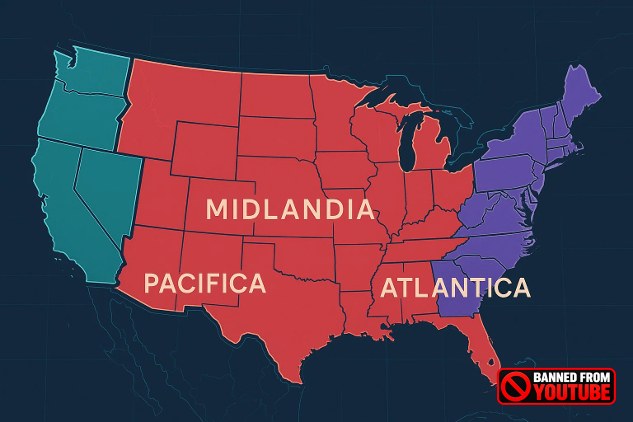
Imagine waking up one morning to discover that the United States no longer exists as a single nation. At first, it sounds like the stuff of dystopian fiction, but lately, even the word “breakup” has crept into political chatter.
America likes to think it buried eugenics with the Nazis, tucked it away with other embarrassments like leaded gasoline and segregation. But eugenics didn’t die. It rebranded. Today, it wears a suit, carries a briefcase, and calls itself “policy.” It votes in Congress, shows up at school board meetings, and even gives press conferences. It’s not about selective breeding anymore—it’s about selective survival.
We’re told the crime wave is on our doorstep , lurking in the alley, armed and dangerous, waiting for the chance to strike. But, every crime statistic has a backstory , and it’s not always about “bad people.” From the breadlines of the 1930s to today’s red-state crime surges, something bigger fuels desperation like dry timber feeds fire. The same leaders crying “law and order” are often the ones writing the rules that make communities unsafe in the first place.

There’s a comforting myth about aging: that it’s perfectly fine to slow down, sink into the couch, and let the television take the wheel. After all, you’ve earned it, right? The trouble is, that “earned rest” might be quietly chiseling away at your brain’s sharpness faster than time itself. While TV has its charms (and plenty of reruns to prove it), it’s about as stimulating to the brain as a lukewarm bowl of oatmeal. Meanwhile, the very devices many older folks eye with suspicion, smartphones, computers, tablets, might be the real tools to keep the lights on upstairs.

Franklin D. Roosevelt, when pressed for bold action during the Great Depression, famously told activists: “Now go out there and make me do it.” It wasn’t a throwaway line , it was a roadmap. The people had to push. He knew change wasn’t handed down from the heavens; it was wrenched from the hands of power by a determined public. Today, as inequality deepens, political gridlock calcifies, and authoritarianism creeps like black mold, the question isn’t whether we need another Roosevelt moment. The question is: Who’s going to be the force that makes it happen?
Why is immigration suddenly treated like an invasion, and why does diversity feel threatening to those in power? Maybe it’s not just about culture or borders, maybe it’s about systems. And maybe the system is broken because we designed it that way.
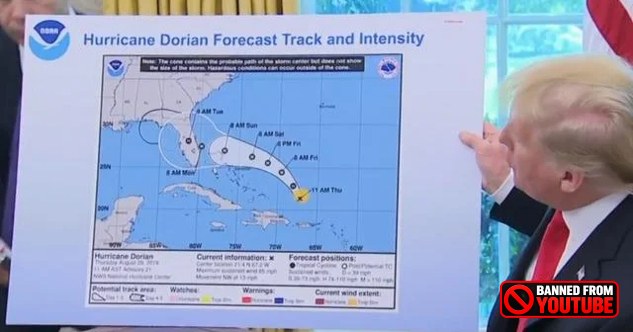
As Republicans slash U.S. climate data programs, they're not just endangering Americans, they're putting the entire planet's weather forecasting at risk. Without reliable data, storms become deadlier, predictions falter, and lives are lost. This is no accident, it’s a calculated dismantling of public safety by those who prefer power over preparedness. In this article, we reveal how climate data cuts jeopardize the future.

As we age, our bodies demand more from our food choices. Better nutrition isn't optional, it's essential for healthy aging, energy, and long-term wellness. In this article, we explain why diet becomes more critical with age, and offer realistic, empowering steps to clean up your act, starting today. Yes, it’s not too late to feel better, live longer, and reclaim control over your health.

Donald Trump likes to call himself the master of the deal. But as with most showmen, the illusion tends to be more dramatic than the substance. His so-called trade “wins” are less about diplomacy and more about drama. Scratch beneath the surface, and you’ll find a pattern of grandiose press releases with little to no legal backbone. It's not that he didn’t make headlines, it’s that he rarely made treaties. And in the world of international commerce, headlines don’t hold up in court.

Cognitive warfare isn’t a sci-fi fantasy , it’s here. Through targeted propaganda and information manipulation, modern regimes are waging war without bullets. Democracies are under siege, not by tanks, but by tweets. This invisible battlefield is reshaping global power and eroding truth. Understanding cognitive warfare is no longer optional , it’s survival.

When the game is rigged and the referees have gone home, maybe it’s time the other team picked up the ball and started calling their own plays. That’s the debate now bubbling up from California to New York as Democrats stare down a Republican Party gleefully rewriting the rules of democracy, and drawing new lines on the map to make sure the other side never wins again.

Once upon a time, we at least pretended to be decent. We taught our kids to share, said “please” and “thank you,” and gave the occasional damn about the well-being of others. But now? We meme our way through cruelty, monetize humiliation, and elect leaders who treat compassion like a contagious disease. Something has shifted—and no, it’s not just politics or culture. It’s something deeper: a fundamental inversion of what it means to be human. That shift—from benevolent behavior to malevolent traits—isn’t just a quirk of the times. It’s the blueprint of decay. It’s the junkification of everything.
Microplastics aren’t just floating in the Pacific garbage patch—they're in your morning toast, your toddler’s sippy cup, and yes, even in your blood. We’ve turned the planet into a snow globe of plastic, and every time we breathe, eat, or drink, we shake it up and swallow the flakes. If that doesn’t concern you, it should.
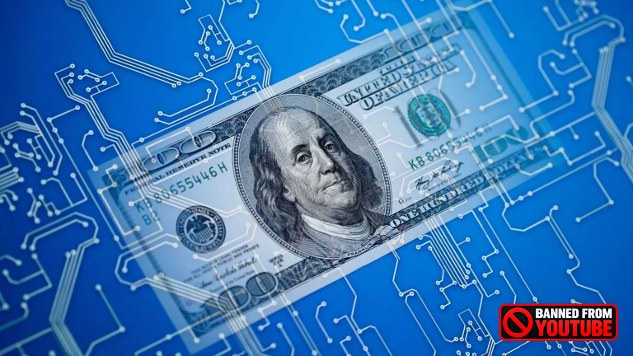
Paul Krugman recently raised a red flag: the U.S. Congress isn’t just opposed to creating a Central Bank Digital Currency—it’s banning the Fed from even thinking about one. That’s right, they’re outlawing thought. Meanwhile, Brazil has rolled out a lightning-fast, nearly-free public payment system used by over 90% of its adults. But Krugman missed the deeper issue. This isn’t just about payment apps or crypto alternatives. It’s about who gets to control money itself. And more dangerously, it’s about what happens if you—the ordinary citizen—get access to an account at the Fed.
Imagine if happiness was a prescription. No pharmacy needed. No insurance claim forms. Just five minutes a day, no co-pay, and you could feel more human again. Too good to be true? That’s what I thought—until I stumbled on a little public health experiment with a very audacious name: the Big Joy Project.
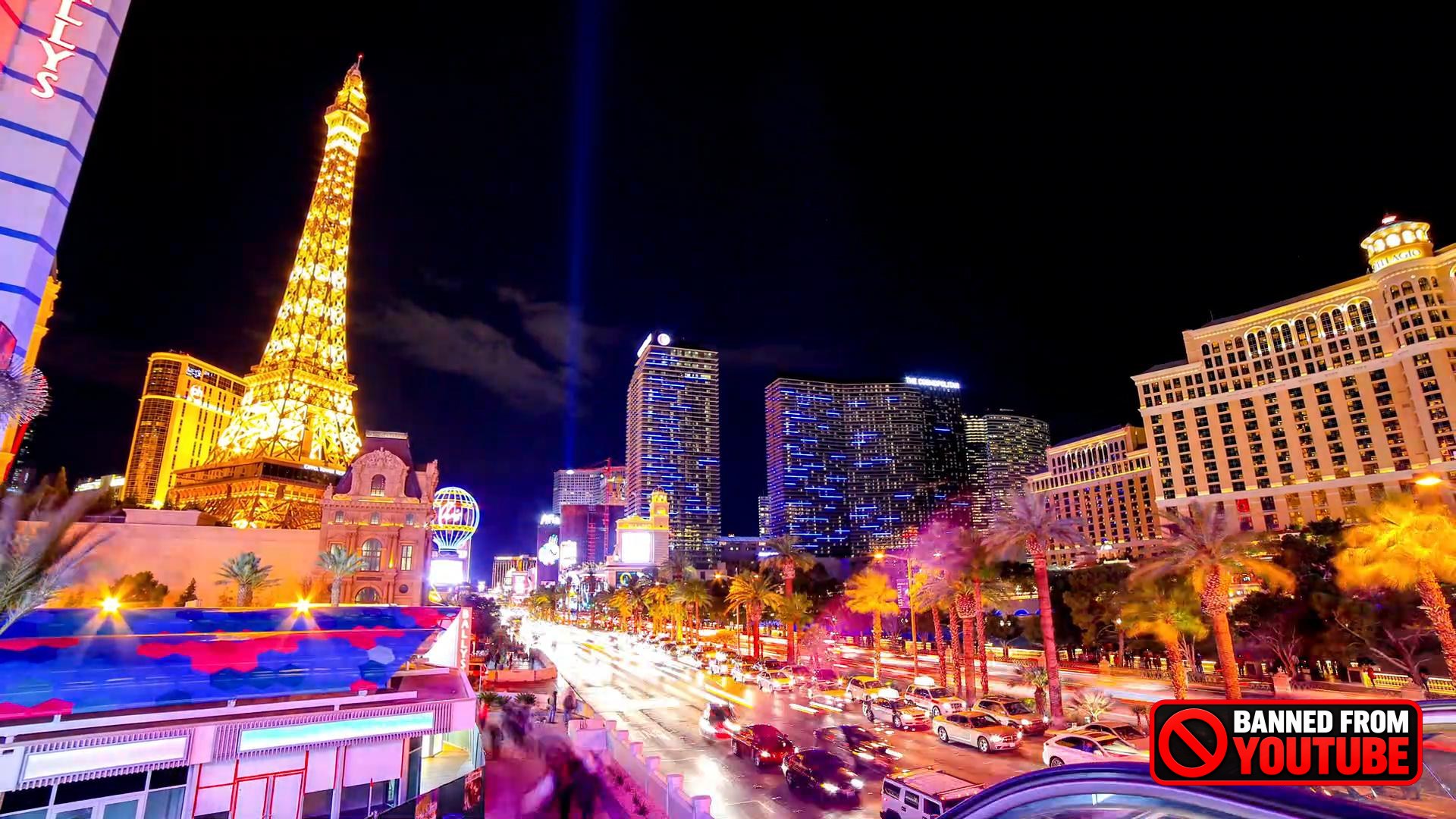
He tweets at the Fed, brags at Mara Lago, and treats the U.S. economy like a slot machine. Sounds like a joke—but it's not. It's the daily reality we've been living in, where governance has become spectacle, leadership a brand, and policy a poker game with your rent money on the table. This isn’t satire. This is America under the influence—of greed, showmanship, and an ever-widening disconnect from the people who actually live in the country. And now, one music video dares to call it out… verse by verse, beat by beat.
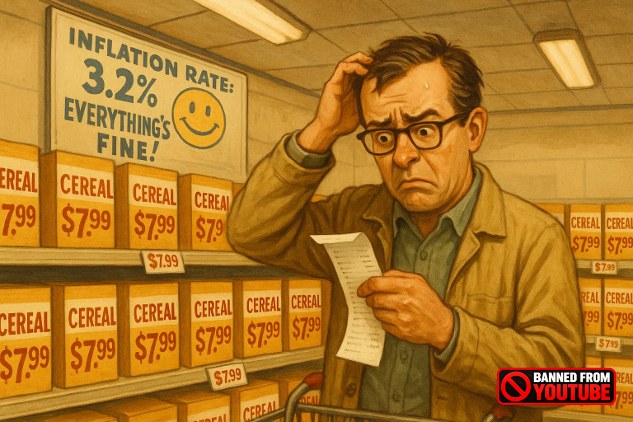
Inflation is supposedly under control at around 2.7 percent. The talking heads say we’re heading back to safe economic ground. But if you’re staring at a $150 grocery bill or wondering why your phone case just cost you 25 percent more, you already know something’s off. The inflation signals are misleading—and dangerously so.

Ever notice how every time someone talks about obesity, they point fingers at the couch? “People just don’t move like they used to,” they say, with the smug assurance of someone who thinks the cure for rising waistlines is a gym membership and a better attitude. But what if the real problem isn’t about how much we move—but about what the system is feeding us?
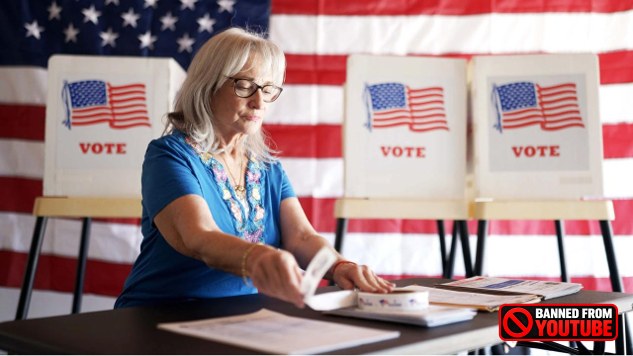
What if I told you the 2026 election theft isn't something coming in the future—it’s already underway? Not with ballot-stuffing or broken machines, but with memos, executive orders, and backdoor data grabs disguised as “security.” While most folks are arguing over gas prices and social media bans, the Trump administration is quietly installing the machinery of electoral control—one voter roll at a time.
Page 6 of 18
When love begins to unravel, do you walk away or pick up the thread? “Thread By Thread” is about two people discovering that sometimes love survives not through grand...
Read more
What if winning didn’t require someone else to lose? “Winners Together” imagines a world where success is shared, justice matters, and there is room for everyone to rise.
Read more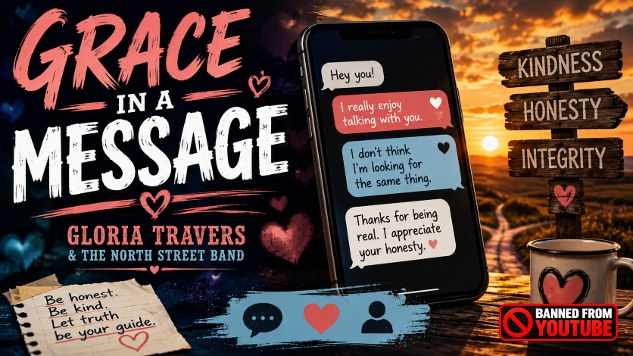
In a world of swipes, matches, texts and disappearing conversations, sometimes the most radical thing we can offer another person is simple kindness.
Read more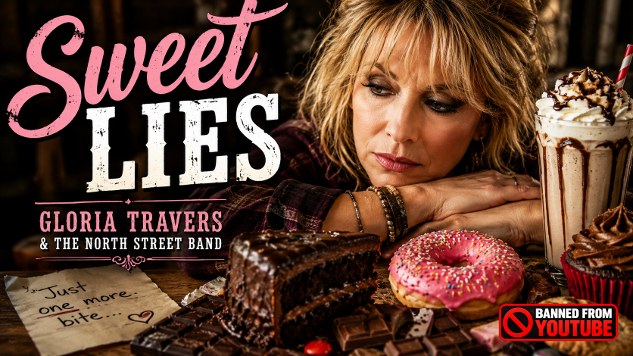
Some temptations don't announce themselves as trouble. They arrive softly, offering comfort, pleasure and the promise that just a little more won't hurt.
Read more
How much of yesterday are you still carrying today?
Read more