Will America Take Two Steps Forward or Another Step Back
A familiar movie became a mirror. Watching The King and I again, something shifted, not in the film, but in the questions it started asking about power, kneeling, and who gets to...
Read more



PFAS infants are becoming an invisible casualty of toxic water contamination. New research shows that everyday drinking water can quietly increase infant mortality, extreme prematurity, and low birth weight. This article looks beyond the headlines to explore how toxic water affects the most vulnerable, why many families never knew they were exposed, and what this moment reveals about responsibility, protection, and long-term well-being.

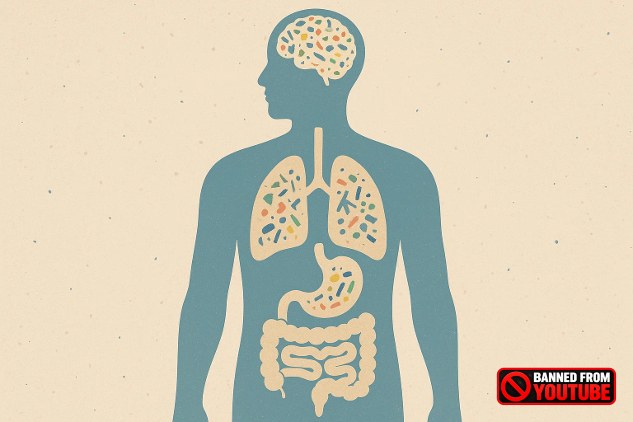
Microplastics aren’t just floating in the Pacific garbage patch—they're in your morning toast, your toddler’s sippy cup, and yes, even in your blood. We’ve turned the planet into a snow globe of plastic, and every time we breathe, eat, or drink, we shake it up and swallow the flakes. If that doesn’t concern you, it should.

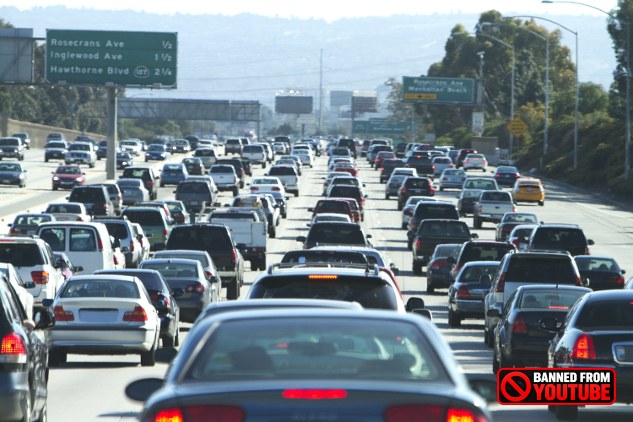
When people think about vehicle pollution, their minds immediately jump to exhaust emissions—billowing clouds of carbon dioxide and nitrogen oxides spewing from tailpipes. But there’s a silent and often overlooked culprit contaminating the air: brake dust. While exhaust has been in the spotlight for decades, brake dust has quietly infiltrated our lungs and bloodstream with little public outcry. So, which is worse? The answer may surprise you.

In an age where convenience often takes precedence over concern, plastics have nestled themselves comfortably into nearly every corner of our lives.