




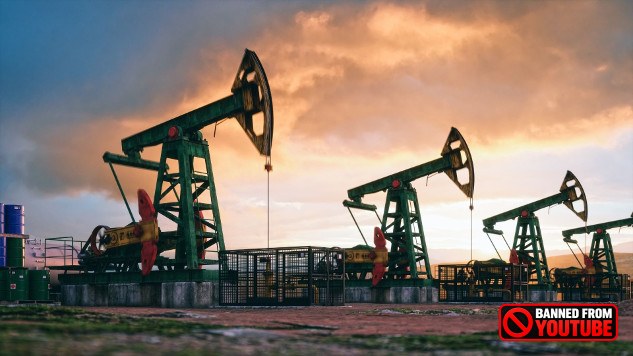
A little over a decade ago, the United States transformed seemingly overnight from a significant oil importer to a leading world producer. This energy revolution with epic geopolitical implications centered around unlocking oil trapped within shale rock formations nationwide. But the "shale oil" fortunes remain closely tied to innovation, economics, and environmental concerns shaping its uncertain future.
The Fracking Game-Changer
America's shale oil turnaround story starts with the game-changing drilling method called hydraulic fracturing, or "fracking." Traditional oil drilling methods have always struggled to extract oil from fine-grained shale rock. Fracking made it possible by blasting underground shale with a high-powered mixture of water, chemicals, and sand. This fractured shale releases trapped crude oil and natural gas.
Paired with advances in horizontal drilling, fracking suddenly made over two-thirds of previously inaccessible U.S. oil reserves recoverable. Between 2008 and 2014, shale oil production skyrocketed 500%. And temporarily plunging oil prices in recent years failed to slow America's shale juggernaut significantly. This stunning productivity vaulted the U.S. to become the world's largest oil producer by 2019.
Of course, red-hot shale action carries some formidable downsides beyond just upending global energy dynamics. Shale oil wells start gushing with gusto but taper off within a few years. Keeping production high means drillers must constantly sink new wells to maintain output. This "drill more to stay in place" treadmill devours massive investment. Shale oil ventures with slim profit margins quickly run in the red when oil prices drop.
The Environmental Reckoning
While fracking unlocked American energy abundance, it introduced significant public health and environmental questions. Links between fracking and contamination of water supplies, as well as increased seismic activity, rang alarm bells for local communities. Fracking also leaks substantial methane, an extremely potent greenhouse gas stoking climate change.
Environmental groups argue fracking poorly regulates its risk, especially with thousands of shale wells near people's homes. Critics also blast the oil industry for blocking efforts to measure shale sites' emissions. Public trust in the safety assurances offered by drillers continues eroding.
With fracked wells integral to vaulting America as an oil superpower, shale operators increasingly confront an environmental policy and public opinion reckoning. Their social license to keep expanding while avoiding more burdensome regulations looks tenuous at best. Failure to address criticisms through meaningful self-policing could strangle the shale boom.
The Bridge Fuel Debate
Surging shale oil production also sparked vigorous disputes around its role in transitioning from fossil fuels to renewable energy. Proponents argue gas and oil from shale should be viewed as "bridge fuels." In other words, shale drilling buys time to sufficiently scale up clean energy alternatives like solar and wind.
In this take, burning shale oil and gas emits less carbon than coal while supplying affordable energy until renewables fully take over. Gradual displacement prevents economic disruption. However, others counter by citing evidence that increasing shale oil access encourages sustained reliance on fossil fuels. This delays critical action on the pressing climate emergency.
The battle over shale's place in navigating energy transformation seems poised to intensify. But the oil industry's seriousness in adapting to climate reality and policy pressure will likely determine which arguments prevail.
Balancing Money, the World, and the Environment
Debates around American shale oil distill down to balances between financial returns, global stability, and environmental limits. But efforts to directly compare pros and cons fall short. Each dimension entails complex trade-offs with blurred boundaries between self-interest and moral imperative.
For now, the direction forward remains clouded by uncertainties across all fronts. However, greater public clarity around how the shale industry leverages its power, influence, and innovation capacities could build understanding. This public transparency can direct Shale's next chapter away from narrowly chasing profits toward responsibly supporting economies, communities, and shared futures.
America's fracking revolution made the once unthinkable idea of "energy independence" conceivable. However, energy transitions rely on continuous waves of innovation by nature. As the focus shifts from merely extracting more oil to doing so sustainably, pioneering shale drillers confront challenges as daunting as any extreme drilling operation. Resolving rampant waste, emissions, and seismic impacts while remaining profitable will test the shale sector's boldness and versatility as never before.
The keys to national prosperity were once coal and oil; today's hopes rest upon sun, wind, and tides. But this divide may not be bridged without shale oil assuming the mantle of a transitional energy lynchpin. This will require reconciliation between distrustful public interests and corporate oil cultures claiming changed priorities. If the hype around shale's highest purpose as an agent of sustainability proves misleading greenwashing, darkened waters likely await. But done responsibly, shale development buying time for new energy dawn need not be a false promise. With advanced economies' unabated energy appetite, framing trade-offs around pace rather than direction can open doors to pacing relentless human demands with earth's protective limits.
jennings_bio
books_economy