
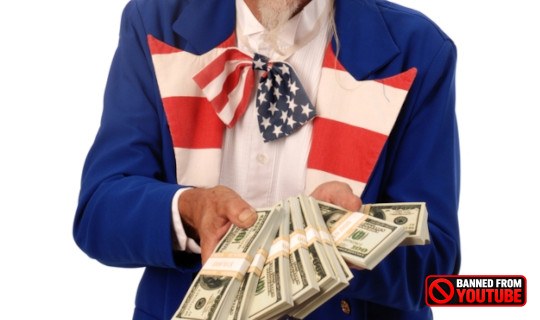

Not all that glitters is gold. In a world driven by consumerism, understanding the price of products is paramount. But what happens when the price you see does not reflect its true worth? For the past fifty years, the Federal Trade Commission (FTC) has made a bold decision, trusting competition to ensure honest pricing among retailers. The reality? The unchecked proliferation of fictitious pricing, a deceptive dance of numbers designed to make sales seem more appealing than they genuinely are.
Imagine entering a store; your eyes catch a dazzling advertisement: a couch, seemingly discounted from $1,399 to a sale price of $599. Yet, this 'discount' might be nothing more than smoke and mirrors. There's a high possibility that the couch was never offered at the $1,399 price tag. This tactic, dubbed "fictitious pricing," has become the norm rather than the exception, with numerous retailers engaging in this manipulative marketing strategy. Research has shown that most advertised "sale" prices are merely a mirage, a bogus discount painted over a seldom-used regular price.
The FTC's Decision
About half a century ago, the Federal Trade Commission (FTC), once a beacon against deceptive business antics, chose to lessen its grip on pricing practices. They believed in competition's inherent goodness, hoping businesses would naturally keep each other in line. However, while competition did rise, it didn't play the watchdog role the FTC envisioned.
The FTC had initially based its leniency on two core assumptions. The first was the belief that consumers focus predominantly on the sale price, overlooking inflated reference prices. This, however, couldn't be further from the truth. Studies from the marketing and psychological sectors reveal that even exorbitantly exaggerated prices can significantly influence consumer decision-making. This is primarily due to the inherent human desire for a bargain.
The second assumption was that the market's competitive nature would naturally root out deceitful practices. But recent economic models suggest the contrary; increased competition has only emboldened firms to distort information to stand out, making deception more profitable as competition intensifies.
Big-Box vs. Main Street Shops
In today's retail ecosystem, the landscape has dramatically shifted. Gone are the days when Main Street stores were the epicenters of community shopping, where the local retailer knew your name and your family's history. Those personal connections once forged a bond of trust that transcended mere business transactions. When Mr. Smith from the corner store told you you were getting a good deal, you believed him. Not just because of the price tag but because you knew him – and he wouldn't want to lose your trust.
Enter the era of big-box retailers – vast, sprawling spaces offering a cornucopia of products at seemingly unbeatable prices. With scale, however, comes distance as these giants began to dominate, a chasm formed between the shopper and the seller. No longer was there a face you recognized behind the counter, someone with whom you might discuss your children's school achievements, or last weekend's community event. Instead, transactions became more impersonal, guided more by colorful price tags and less by interpersonal trust.
This detachment has made it easier for deceptive pricing practices to seep in. It's not about accusing the big-box stores; they've brought convenience and variety in many ways. But the vastness of their operations and the distance from their customer base often means less accountability on individual transactions. A few unhappy customers could build or break a Main Street store's reputation. In contrast, big-box retailers will not similarly feel the pinch of a few disgruntled voices.
The allure of "discounts" and "savings" in big-box stores, while enticing, sometimes plays into this game of smoke and mirrors. The bigger the store, the bigger the spectacle, and it's easy to get lost in the maze of deals without stopping to question their authenticity. It's also worth noting that the ubiquity of such stores means they set the tone for retail standards. If they champion fictitious pricing, smaller players might need to follow suit or risk being overshadowed.
Ultimately, it's not just about where we shop but how we shop. Being informed, asking questions, and understanding the value of trust can make all the difference in ensuring that the reality of retail is as genuine as it promises to be.
The True Normal Price (TNP): A Way Forward
A more innovative approach is necessary, given the limited impact of lawsuits and state-level regulatory efforts. Enter the concept of True Normal Price (TNP). Joe Urbany, professor of marketing at the University of Notre Dame, and colleagues suggest that retailers should be mandated to display the TNP of an item alongside any promotional prices. The TNP reflects the most common price for a product within a specific timeframe. So, if our hypothetical furniture store pushes the $1,399 price for two weeks but advertises a sale for the next ten weeks, the average price in subsequent promotions should be listed as $599, the actual regular price.
Research with 900 participants showcased the potential efficacy of TNP information. This simple yet impactful disclosure nearly eradicated the influential power of an advertised regular price.
Industry Response and the Road Ahead
Conversations with senior retail executives unveiled a spectrum of attitudes. While some executives expressed enthusiasm for interventions, hoping to temper an "out-of-control" promotional climate, others hinted at possible resistance. The broader implications of TNP disclosure could lead to more transparent pricing practices, potentially reshaping market prices, promotional trends, and overall company profits.
Our market, driven by competition and consumer behavior, is at a critical juncture. The pervasive practice of fictitious pricing initially believed to be self-regulating, has flourished. It's a reminder that sometimes, our assumptions need revisiting. While challenges lie ahead, introducing the True Normal Price could be the beacon leading us toward a more transparent and honest retail landscape. After all, in an age of information, the truth should never be a luxury.
However, challenges remain. Introducing new regulations often sparks debate and resistance. Still, one thing is clear: it's high time for clarity in pricing. For consumers, understanding the actual value of their purchases is not just a right but a necessity for a fair market. The time has come to shift from a world of illusionary discounts to genuine value and honesty.
jennings_bio
books_economy